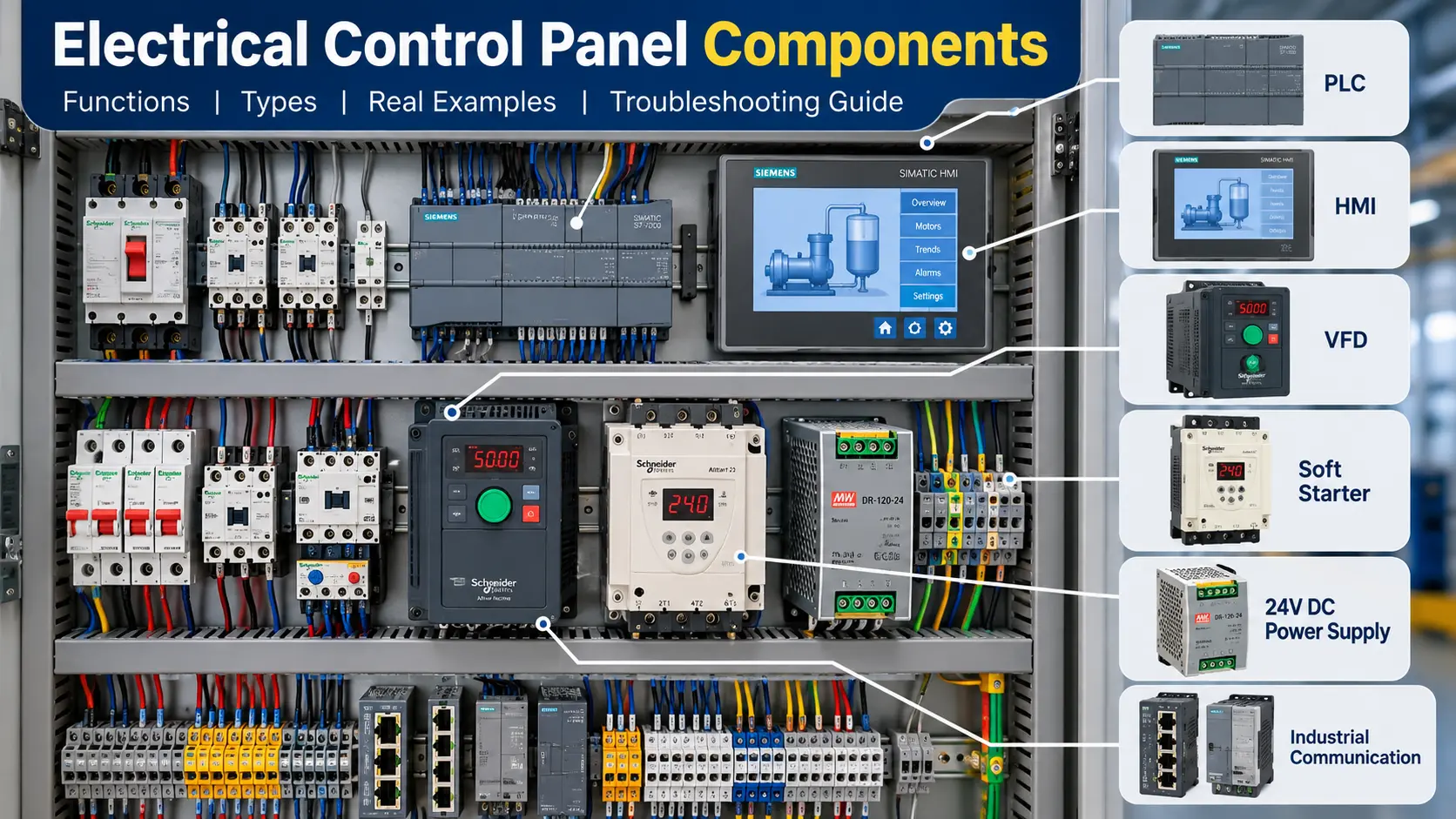
Electrical control panels are used to control, protect, and monitor industrial machines and electrical equipment. Inside one panel, you may find breakers, PLCs, contactors, relays, VFDs, HMIs, power supplies, terminal blocks, and communication devices working together.
Understanding these electrical control panel components makes troubleshooting easier and helps prevent unnecessary part replacement.
For example, if a motor does not start, the motor itself may be healthy. The actual problem could be a tripped overload relay, missing PLC output, damaged contactor coil, or faulty sensor interlock.
What Are Electrical Control Panel Components?
Electrical control panel components are the devices installed inside a control cabinet to distribute power, protect equipment, process signals, and control machinery.
A typical industrial panel may manage:
| Motors and pumps | Conveyors |
| HVAC equipment | Production machines |
| Water systems | Packaging equipment |
| Process automation | |
Each component has a specific job, but most faults involve interaction between several devices.
Main Electrical Control Panel Components
Common industrial control panel components include:
| Circuit breakers and fuses | Contactors |
| Overload relays | PLCs |
| I/O modules | HMIs |
| VFDs | Soft starters |
| Control relays | 24VDC power supplies |
| Transformers | Terminal blocks |
| Busbars | Sensors |
| Communication modules | Surge protection devices |
| Cooling fans and filters | DIN rails and wiring ducts |
Let’s look at the most important ones.
Circuit Breakers and Fuses
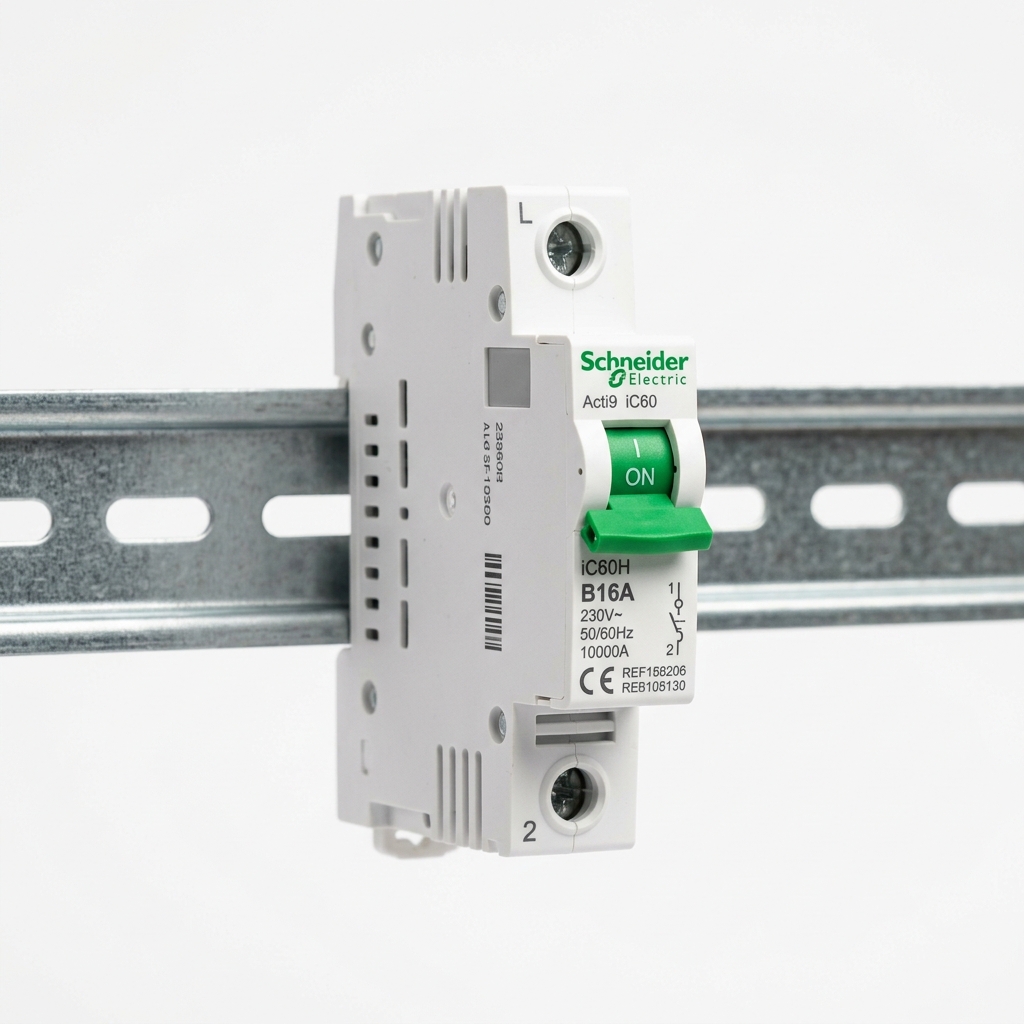
Circuit breakers and fuses protect electrical circuits from overloads and short circuits.
If a breaker trips repeatedly, simply resetting it is not a real solution. The cause could be:
| Excessive current | Short circuit |
| Damaged cable | Faulty motor |
| Failed downstream device | |
For example, if a motor breaker trips every time a conveyor starts, the problem may be mechanical overload rather than the breaker itself.
Contactors and Overload Relays
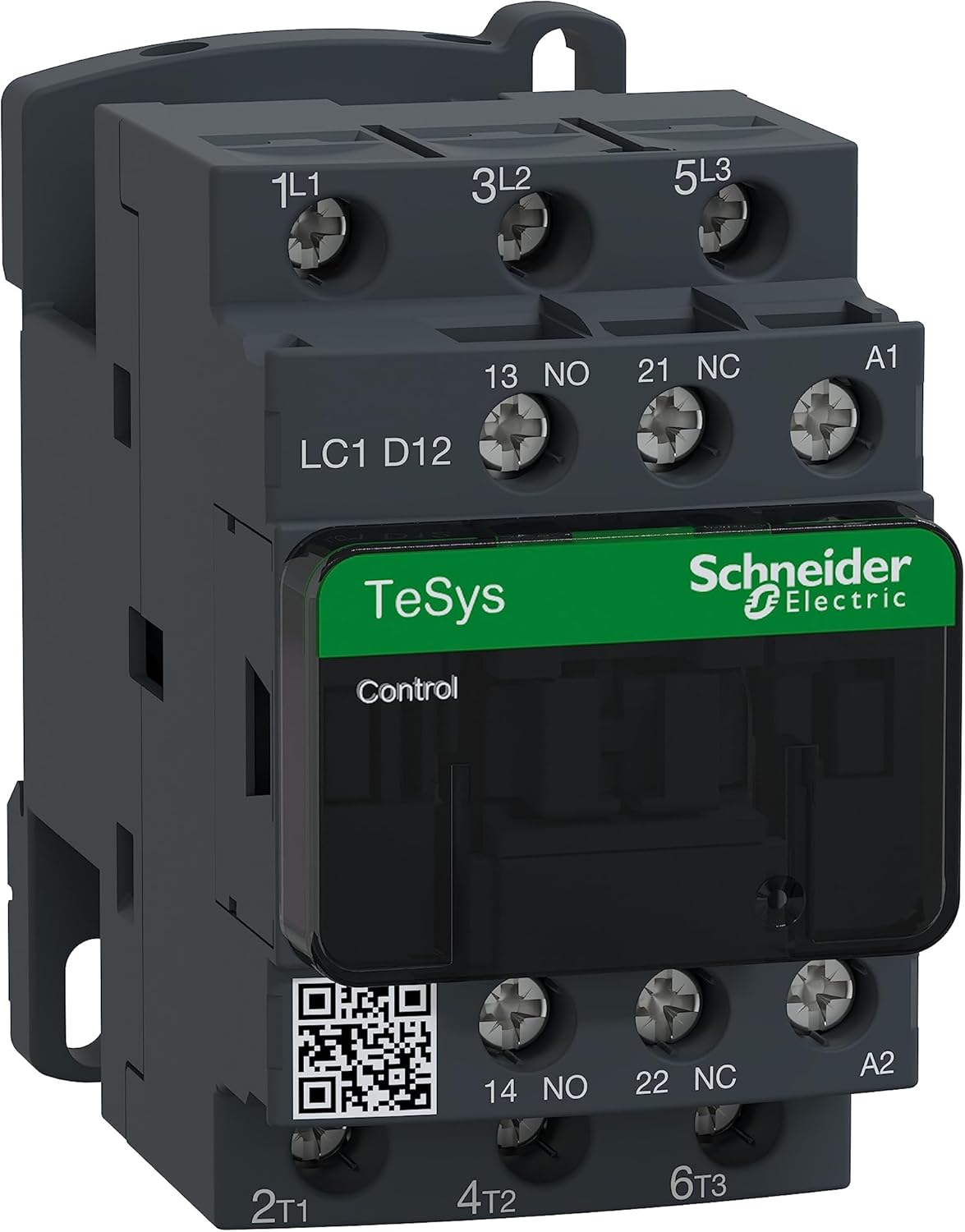
A contactor switches power to motors and other high-current loads.
An overload relay protects the motor from excessive current over time.
If the PLC sends a start command but the motor does not run, check:
| Contactor coil voltage | Overload relay status |
| Control wiring | PLC output |
| Interlocks | |
A failed contactor coil can prevent motor operation even when the PLC logic is correct.
PLCs and I/O Modules
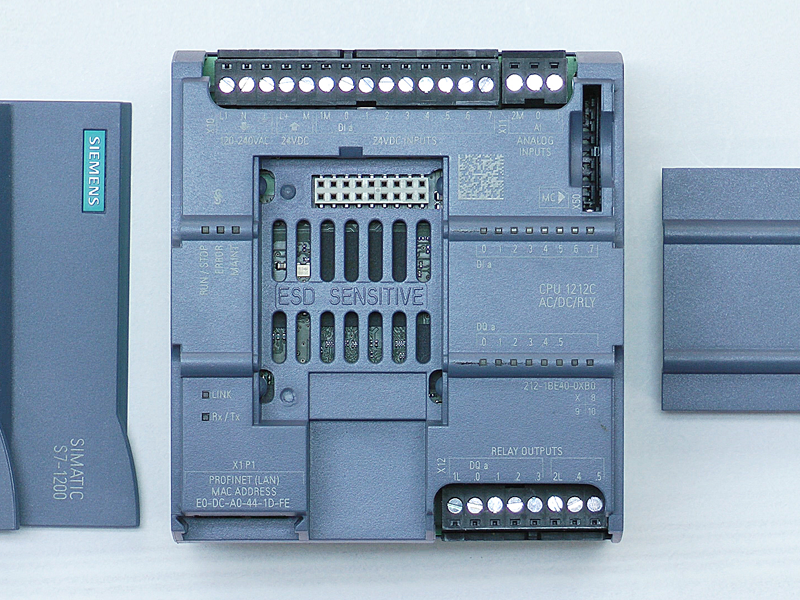
A PLC is the main controller in many industrial systems.
It receives signals from sensors, processes the programmed logic, and sends commands to equipment.
Typical PLC-related problems include:
| Missing inputs | Outputs not activating |
| Communication errors | I/O module faults |
| Logic conditions blocking operation | |
For example, a pump may not start because a low-level sensor is sending an unsafe condition to the PLC. The pump, contactor, and PLC output may all be healthy.
For deeper support, see our PLC Troubleshooting & Maintenance Services .
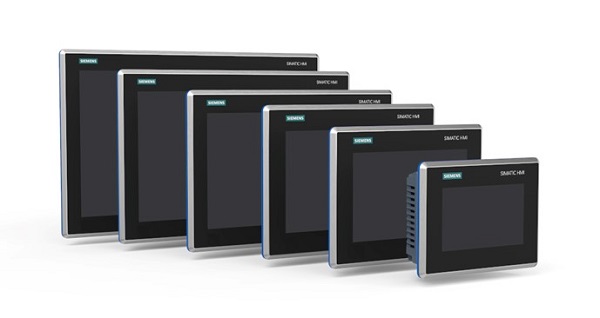
HMI – Human Machine Interface
The HMI allows operators to monitor the system and control equipment.
It can display:
| Alarms | Motor status |
| Temperatures | Pressure values |
| Production data | Start and stop commands |
If an HMI shows incorrect information, the HMI itself may not be faulty.
For example, if the HMI shows “Motor Off” while the motor is running, the real problem may be a missing feedback signal to the PLC.
Learn more about our HMI Troubleshooting & Configuration Services .
Variable Frequency Drives
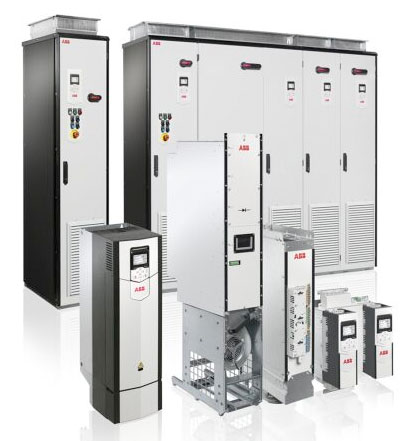
A VFD controls motor speed and acceleration.
It is commonly used with pumps, fans, conveyors, and process equipment.
Common VFD faults include:
| Overcurrent | Overload |
| Undervoltage | Communication loss |
| Incorrect parameters | Motor faults |
A repeated VFD trip does not always mean the drive needs replacement.
For example, an overload trip may come from a blocked pump, incorrect motor data, or excessive mechanical load.
See our VFD Installation Services .
Soft Starters
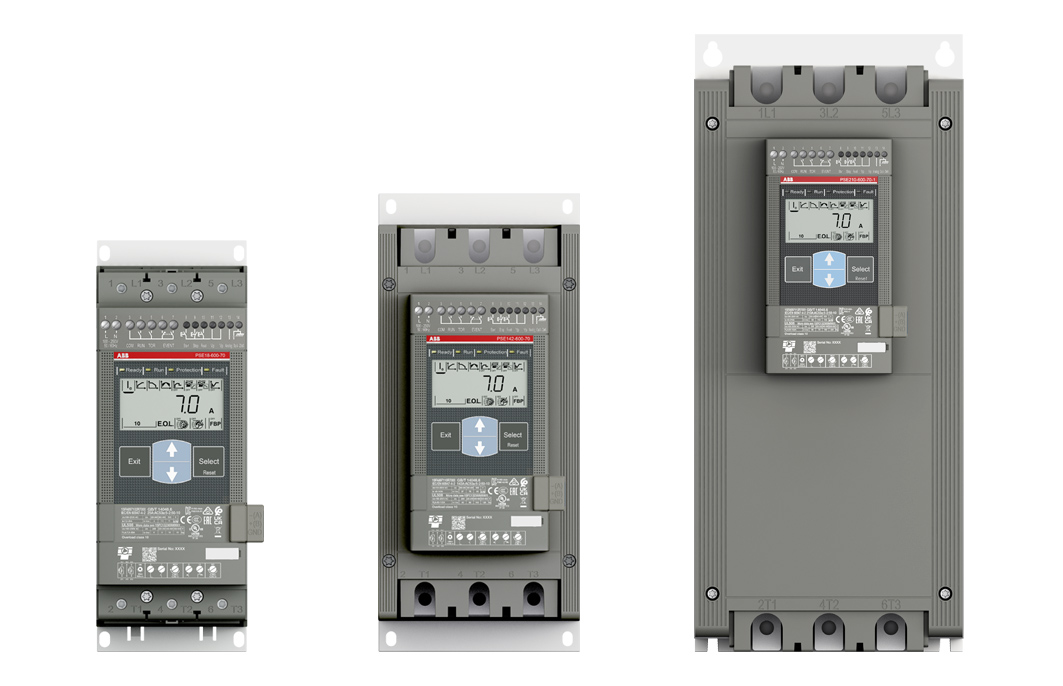
Soft starters reduce motor starting current and provide smoother acceleration.
They are useful where full speed control is not required.
Common problems include:
| Motor not starting | Overload trips |
| Bypass contactor faults | Incorrect settings |
| Missing control signals | |
If a soft starter does not start the motor, the actual fault may be a PLC interlock or missing run command.
See our Soft Starter Installation & Configuration Services .
24VDC Power Supplies
Many PLCs, sensors, relays, and control devices depend on 24VDC power.
A weak or failing power supply can create multiple faults at the same time.
For example, if several sensors suddenly disappear from the PLC, check the common 24VDC supply before assuming several sensors failed together.
Typical checks include:
| Output voltage | Terminal tightness |
| Overload | Input supply |
| Heat condition | |
Relays and Interface Relays
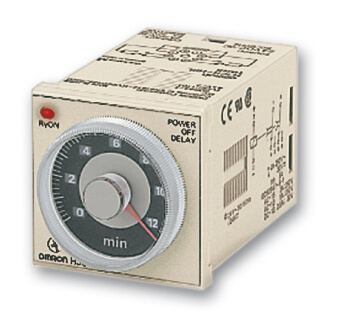
Relays switch smaller control signals and help isolate different circuits.
Common faults include:
| Damaged coils | Burnt contacts |
| Intermittent switching | Loose terminals |
A relay fault can be difficult to identify because it may work sometimes and fail under heat or vibration.
Terminal Blocks and Wiring Accessories
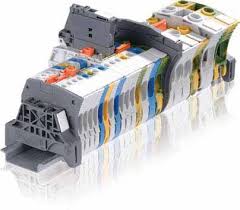
Terminal blocks connect field devices to the control panel.
They may look simple, but loose terminals cause many industrial faults.
A loose terminal can lead to:
| Intermittent sensor signals | Motor control failure |
| Communication issues | False alarms |
Good labeling and organized wiring make troubleshooting much faster.
Sensors and Field Devices
Sensors provide information to the PLC.
Common examples include:
| Proximity sensors | Pressure transmitters |
| Temperature sensors | Level sensors |
| Limit switches | Flow sensors |
If a sensor sends incorrect information, the PLC may respond correctly to bad data.
For example, a faulty level sensor may tell the PLC that a tank is full, preventing a pump from starting.
Industrial Communication Components
Modern panels may include:
| Ethernet switches | Communication modules |
| Remote I/O | Protocol converters |
| Network connectors | |
Communication faults can affect PLCs, HMIs, VFDs, and SCADA systems.
If the HMI shows “Device Offline,” check the network cable, switch, PLC communication status, and device settings before replacing the HMI.
For larger systems, see our SCADA System Integration & Support services.
Common Electrical Control Panel Failures
Some symptoms point toward specific components.
| Problem | Components to Check |
|---|---|
| Motor does not start | Breaker, overload relay, contactor, PLC output, VFD |
| PLC is OFF | Breaker, fuse, power supply, wiring |
| PLC input missing | Sensor, terminal, 24V supply, I/O module |
| HMI offline | PLC, network cable, switch, communication settings |
| VFD trips | Motor, load, parameters, wiring, supply voltage |
| Multiple sensors fail | Power supply, common wiring, terminals |
| Panel overheats | Fan, filter, ventilation, VFD heat |
This is why troubleshooting should follow the full control chain instead of focusing only on the device showing the alarm.
For recurring or difficult faults, see our Control System Fault Analysis Services .
How Control Panel Components Work Together
Consider a simple pump system:
The level sensor tells the PLC when water is low.
The PLC checks the logic and sends a start command to the VFD.
The VFD runs the motor.
Motor status returns to the PLC and appears on the HMI.
If the HMI says the pump is not running, the problem could be anywhere in this chain.
That is why proper fault analysis is important.
Choosing Control Panel Components for Saudi Arabia
Industrial panels in Saudi Arabia may operate in high temperatures, dusty environments, or outdoor conditions.
Component selection should consider:
| Ambient temperature | Ventilation |
| Dust protection | Enclosure rating |
| Heat generated by VFDs | Spare part availability |
| Electrical ratings | Maintenance access |
For example, a VFD installed in a poorly ventilated panel may experience repeated thermal faults even though the drive itself is correctly sized.
Preventive Maintenance
Regular inspection can prevent many control-panel failures.
Useful checks include:
| Tighten loose terminals | Clean filters |
| Inspect cooling fans | Check contactor condition |
| Verify 24VDC supply | Inspect wiring damage |
| Review VFD alarms | Check panel temperature |
| Back up PLC and HMI programs where required | |
Preventive maintenance is usually cheaper than emergency troubleshooting after production stops.
When Should You Call a Specialist?
Professional support is useful when you have:
| Repeated PLC faults | Unexplained machine shutdowns |
| Recurring VFD trips | HMI or SCADA communication issues |
| Intermittent sensor problems | Old or undocumented control panels |
| Repeated component replacement without solving the fault | |
EMAN FTC can support industrial automation troubleshooting, control-system fault analysis , PLC systems , VFDs , HMIs , SCADA systems , and related electrical control equipment.