
Description
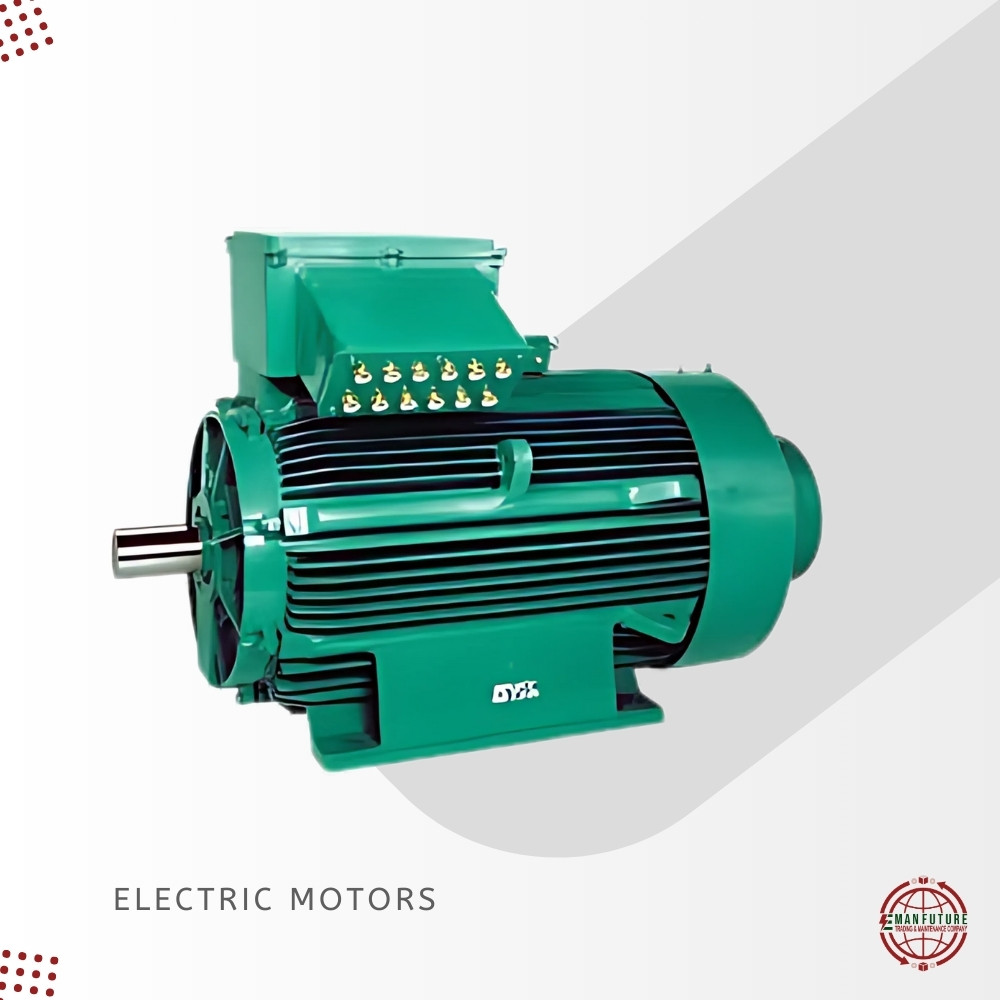
Electric Motors: Precision Engineering for Dynamic Power Conversion Electric motors are essential components in nearly every automated process. By utilizing fundamental electromagnetic phenomena—specifically the Lorentz force—these devices generate torque to rotate shafts, driving everything from small precision actuators to massive industrial compressors. Modern motor designs prioritize energy efficiency, thermal stability, and precise speed control to meet the demands of Industry 4.0.
Key Features & Technical Advantages:
-
Diverse Motor Architectures:
-
AC Induction Motors: Known for their ruggedness and simplicity; the standard for constant-speed industrial applications.
-
DC Motors: Offer excellent speed control and high starting torque, often used in specialized machinery and mobile equipment.
-
Synchronous & Servo Motors: Provide high-precision positioning and constant speed regardless of load, ideal for robotics and CNC machining.
-
-
High Energy Efficiency: Modern motors are rated to international efficiency classes (e.g., IE3 or IE4), significantly reducing operational costs and carbon footprints.
-
Electromagnetic Precision: By precisely controlling the magnetic flux within the stator and rotor, motors can deliver smooth, vibration-free motion across a wide range of speeds.
-
Ruggedized Construction: Industrial motors are built with high-grade insulation and durable housings (rated IP55 or higher) to withstand dust, moisture, and high ambient temperatures.
-
Variable Speed Compatibility: Designed to work seamlessly with Variable Frequency Drives (VFDs), allowing for optimized performance and reduced mechanical wear through soft-starting and adjustable speeds.
-
Thermal Management: Integrated cooling fans or liquid-cooling jackets ensure that the motor operates within safe thermal limits even during continuous heavy-duty cycles.
Typical Applications: Electric motors are the primary power source for centrifugal pumps, ventilation fans, conveyor systems, robotic arms, and industrial mixers. They are found in every sector, including food and beverage, chemical processing, automotive assembly, and water management.
Reviews
There are no reviews yet.