
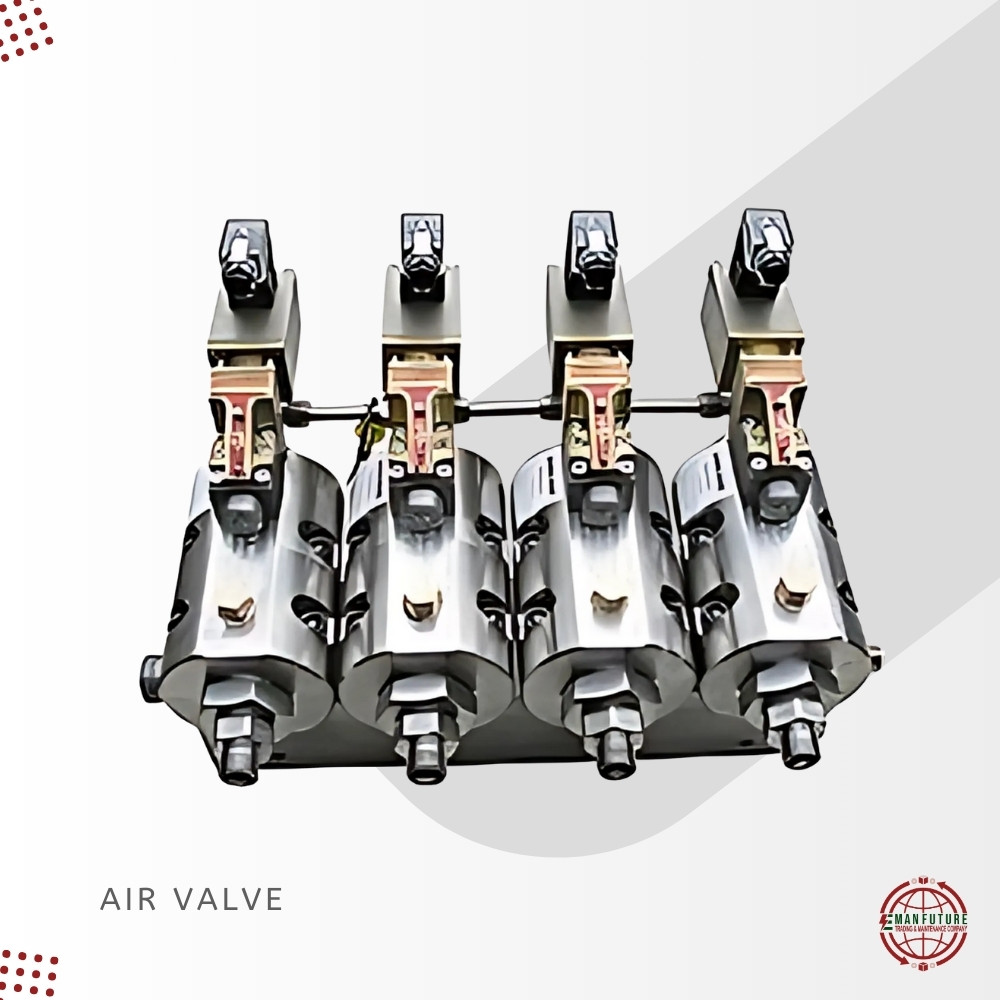
Description
Industrial Solenoid Valves: Versatility and Precision in Fluidics Solenoid valves serve as the critical interface between electronic control systems (like PLCs) and mechanical fluid systems. When energized, an internal electromagnetic coil creates a magnetic field that moves a plunger to open or close the valve orifice. Because they operate with minimal moving parts and require only electrical signals, they are the most frequently used control elements in modern fluidics.
Key Features & Technical Advantages:
-
Multi-Functional Capabilities: Specifically designed to shut off, release, dose, distribute, or mix various media, offering flexible control across diverse system architectures.
-
Instantaneous Response: Capable of switching states in milliseconds, making them ideal for high-speed packaging, safety shut-offs, and precise batching.
-
Wide Variety of Configurations: * 2-Way Valves: For simple on/off control.
-
3-Way & Multi-Way Valves: For diverting flow between different ports or mixing two distinct fluids.
-
-
Universal Media Compatibility: Available with various seal materials (such as NBR, EPDM, or FKM/Viton) and body materials (brass, stainless steel, or plastic) to handle water, oil, aggressive chemicals, or compressed air.
-
Direct-Acting vs. Pilot-Operated: * Direct-Acting: Operates from 0 bar pressure, ideal for small flows.
-
Pilot-Operated: Uses the fluid pressure to assist in opening, allowing for the control of high-volume flows with low power consumption.
-
-
Rugged & Energy Efficient: Modern coils are designed for continuous duty with minimal heat generation, often featuring IP65/67 protection for use in washdown or outdoor environments.
Typical Applications: Solenoid valves are ubiquitous in industrial washing equipment, water treatment plants, medical devices, automotive fuel systems, and automated irrigation. Their ability to be integrated into digital control loops ensures precise, repeatable fluid management across all sectors.
Reviews
There are no reviews yet.