
Description
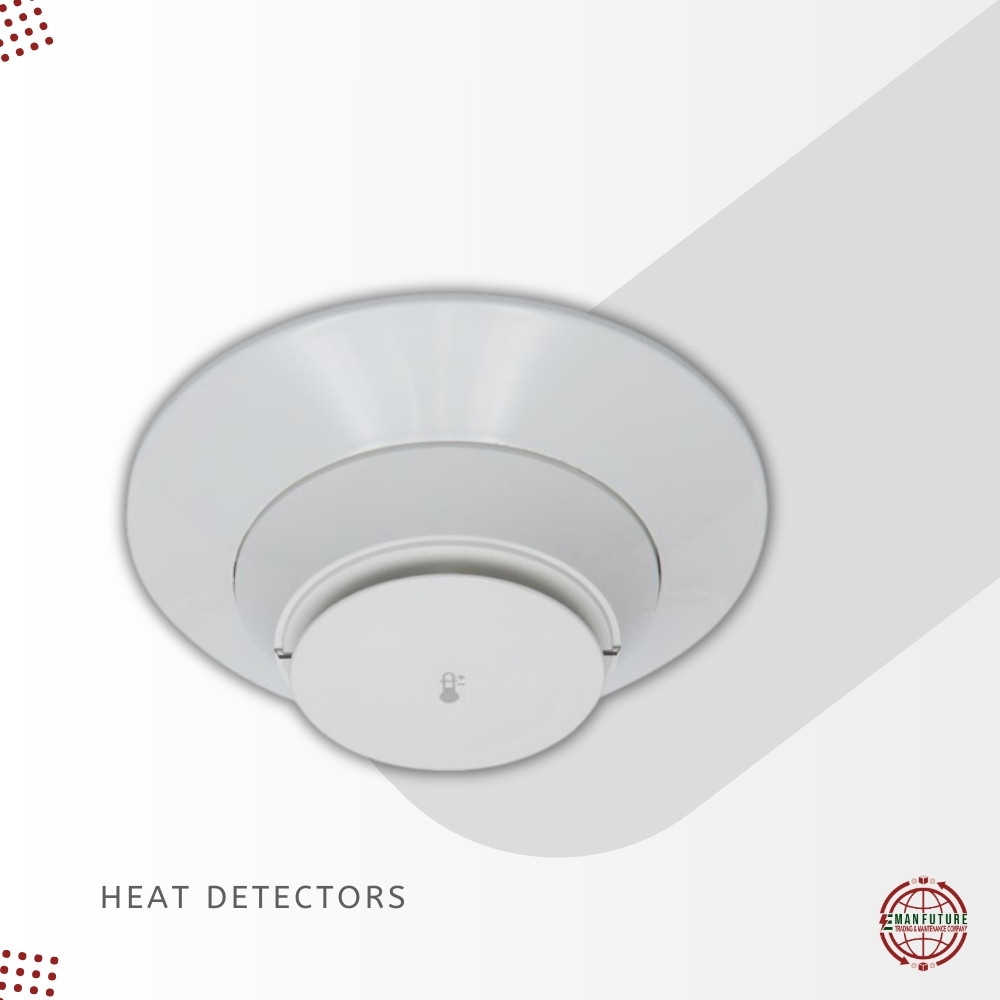
Thermal Intelligence: Specialized Fire Detection via Heat Sensitivity Heat detectors serve as a critical alternative or supplement to smoke detection in a comprehensive fire safety strategy. They operate by monitoring the physical thermal energy of an environment. When a fire occurs, the convective heat reaches the device, activating a heat-sensitive element—such as a bimetallic strip or a thermistor—to trigger the alarm. This makes them the ideal choice for environments where combustion particles are a normal part of the atmosphere.
Key Features & Technical Advantages:
-
Convective Thermal Response: Specifically designed to respond when the “convected thermal energy” of a fire increases the temperature of its sensing element, providing a direct reaction to the heat output of a blaze.
-
Specialized Sensing Modes:
-
Fixed Temperature: Triggers the alarm when the environment reaches a specific, pre-set temperature (e.g., 58°C or 135°F).
-
Rate-of-Rise (RoR): Activates if the temperature increases rapidly within a short period, allowing for faster detection of fast-growing fires.
-
-
Immunity to False Alarms: Because they do not rely on optical or ionization sensors, they are not triggered by “nuisance” factors like cooking smoke, steam, vehicle exhaust, or heavy dust.
-
Extreme Durability: Often built with ruggedized components capable of withstanding the high-heat environments they are meant to monitor.
-
Low Maintenance: Generally requires less cleaning and calibration than smoke detectors, making them cost-effective for long-term industrial use.
-
System Integration: Fully compatible with standard fire alarm control panels, allowing them to work in tandem with smoke and gas detectors for a multi-layered safety network.



Reviews
There are no reviews yet.