
Description
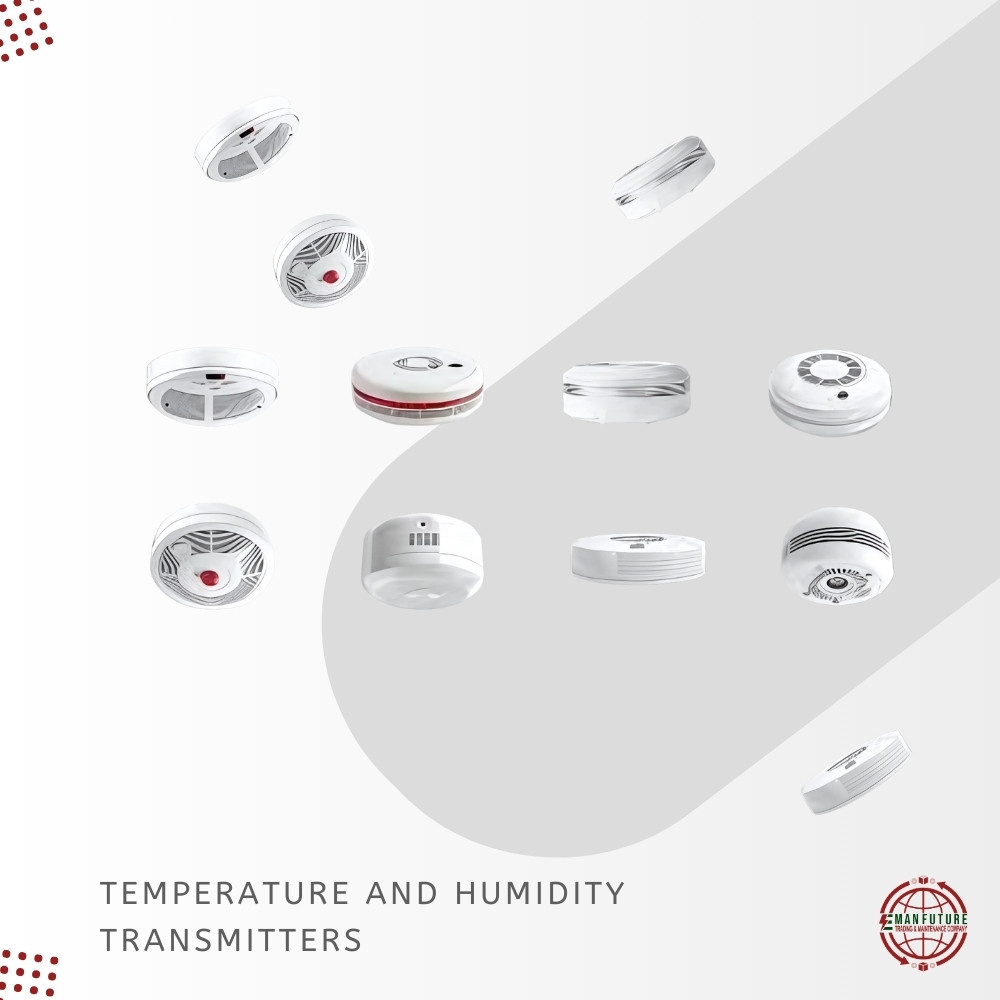
The Foundation of Fire Safety: Reliable and Rapid Smoke Detection Smoke detectors are the frontline defense in a comprehensive fire protection strategy. These devices are engineered to identify the invisible and visible products of combustion that precede a major fire. While their physical form is often a sleek, low-profile disk—approximately 125 mm in diameter and 25 mm thick—their internal technology is sophisticated, designed to differentiate between everyday environmental factors and a true life-safety threat.
Key Features & Technical Advantages:
-
Diverse Sensing Technologies:
-
Photoelectric Sensors: Highly effective at detecting large particles produced by smoldering fires (e.g., furniture or wiring).
-
Ionization Sensors: Optimized for detecting microscopic particles from fast-flaming, aggressive fires.
-
-
Standardized Form Factor: Housed in durable, fire-retardant plastic enclosures designed to blend into ceilings while maintaining 360-degree airflow into the sensing chamber.
-
Rapid Warning Capabilities: Features integrated high-decibel alarms (usually 85dB+) and can often be interconnected so that when one unit detects smoke, all alarms in the facility sound simultaneously.
-
Reliable Power Management: Options include hardwired AC power with battery backup or long-life 10-year lithium batteries to ensure constant operation during power outages.
-
Visual Status Indicators: Equipped with multi-color LEDs to provide a quick visual confirmation of system health, battery status, and alarm activation.
-
System Integration: Can be used as standalone “smoke alarms” for residential use or as “system detectors” connected to a centralized fire alarm control panel for 24/7 professional monitoring.
Typical Applications: Smoke detectors are a mandatory requirement for residential homes, apartments, hotel rooms, office spaces, and retail environments. They are indispensable for any indoor space where early detection can mean the difference between a minor incident and a catastrophic loss.

Reviews
There are no reviews yet.