
Description
Professional Climate Transmitters: Bridging Environmental Reality and Digital Control
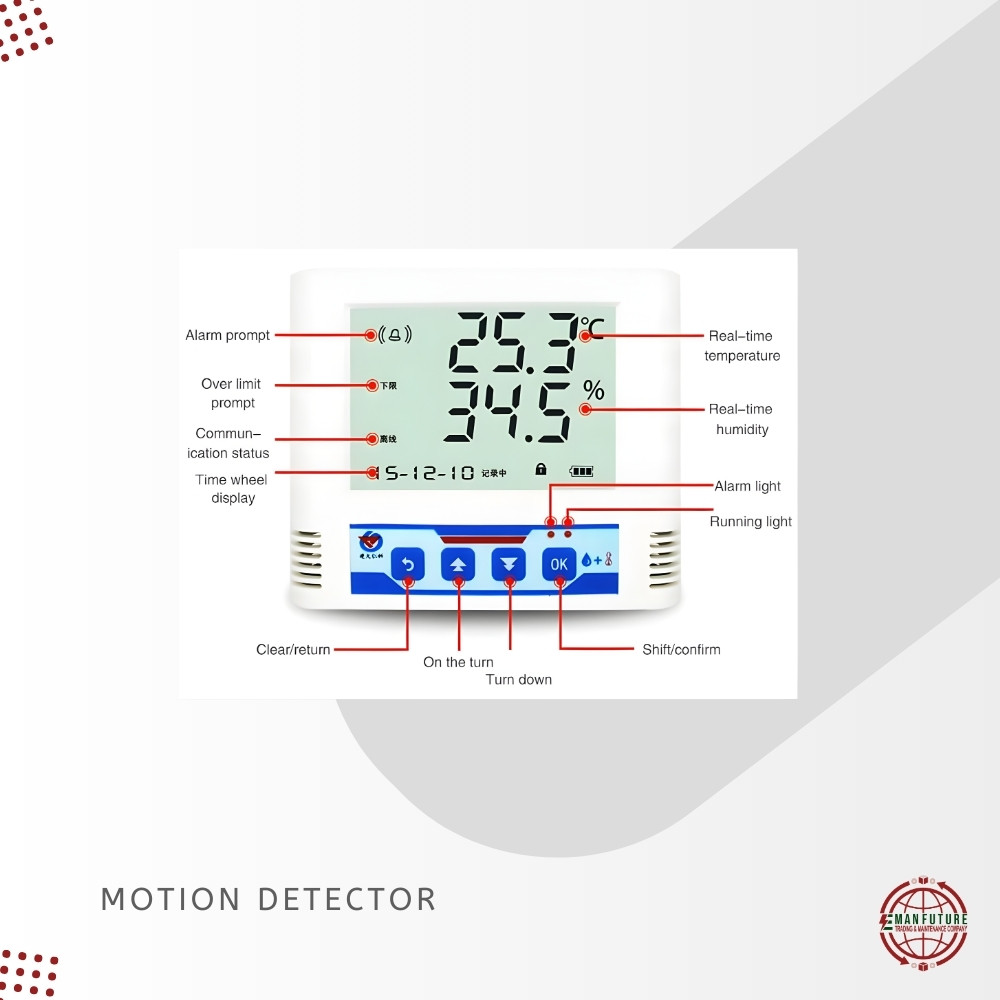
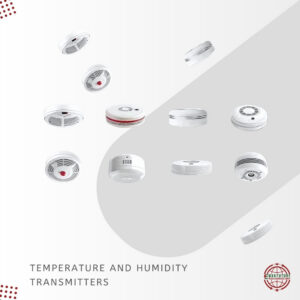
Temperature and humidity transmitters are the foundation of stable environmental management.3 Rather than just displaying a value, these devices “translate” the complex physical state of the air into a language that automation systems—such as PLCs, HVAC controllers, or cloud-based software—can understand.4 This enables precise, rules-based responses to even the slightest fluctuations in climate.
Key Features & Technical Advantages:
-
Dual-Parameter Sensing: Simultaneously measures ambient temperature and relative humidity (5$RH$), providing a complete picture of the air’s thermal and moisture content in a single unit.6
-
Standardized Signal Output: Converts raw data into industry-standard formats (e.g., 4-20mA, 0-10V, or digital RS485/Modbus), ensuring universal compatibility with data loggers and building management systems.7
-
High-Accuracy Calibration: Equipped with high-stability sensing elements that offer low hysteresis and minimal drift, ensuring data remains reliable over long-term continuous operation.
-
Ruggedized Probes: Available with various filter caps (sintered, mesh, or Teflon) to protect the sensitive internal elements from dust, chemicals, and high-velocity airflow.
-
Flexible Installation: Offered in diverse form factors, including Duct-Mount for HVAC systems, Wall-Mount for cleanrooms, and Remote-Probe versions for high-temperature or confined spaces.
-
Intelligent Diagnostics: Many modern transmitters feature local LCD displays for instant on-site verification and internal self-checking to alert users if a sensor element requires maintenance.
Reviews
There are no reviews yet.