
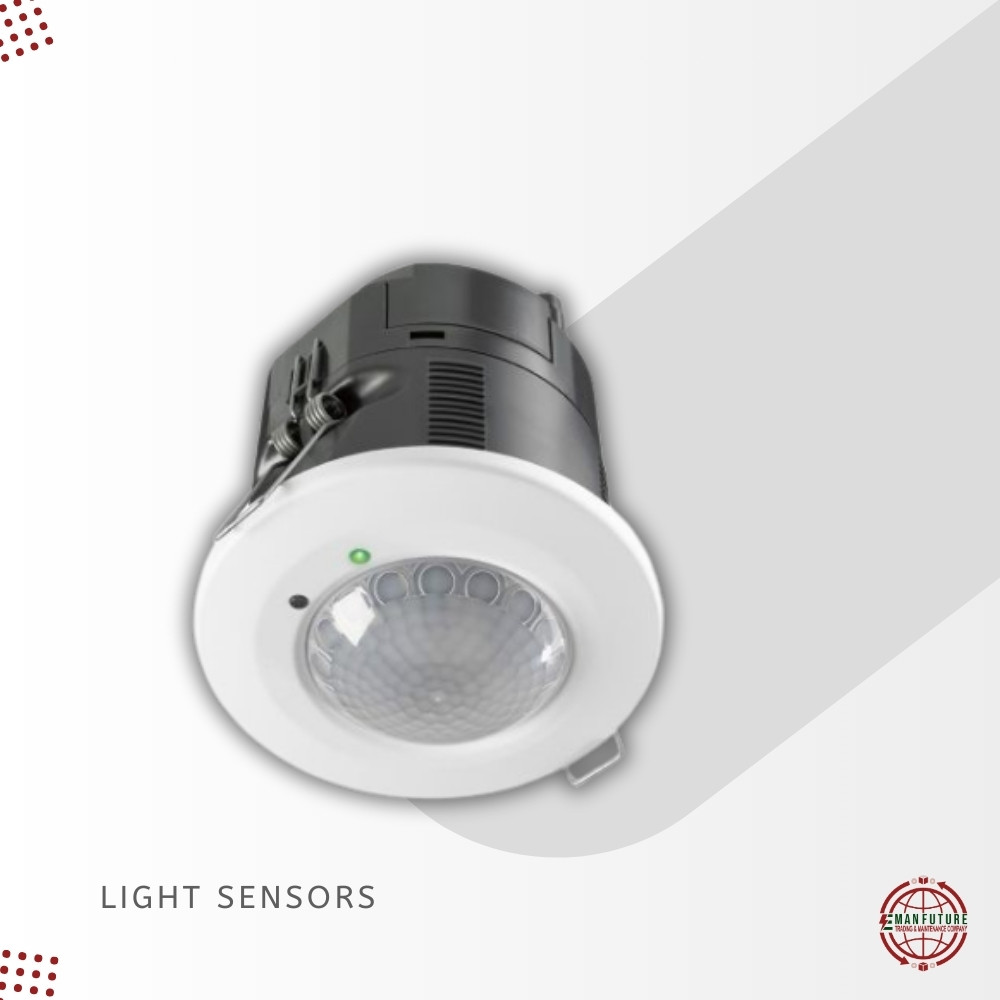
Description
The Science of Light Sensing: Transforming Illumination into Actionable Data Light sensors serve as the visual interface for electronic systems. By accurately capturing and interpreting light waves, these sensors bridge the gap between environmental conditions and digital control. From the simple task of turning on a streetlight at dusk to the complex requirements of solar energy harvesting, light sensors provide the precision needed for a truly responsive infrastructure.
Key Features & Technical Advantages:
-
Diverse Functional Capabilities: Engineered to perform multiple roles, including measuring illuminance (Lux), responding to rapid light fluctuations, or acting as a transducer to convert light energy directly into electricity.
-
Wide Spectrum Sensitivity: Available in various models optimized for different wavelengths, including visible light, infrared (IR), and ultraviolet (UV), depending on the specific detection needs.
-
Smart Energy Management: Acts as a primary driver for “Daylight Harvesting” strategies, automatically dimming artificial lighting when natural sunlight is sufficient to reduce utility costs.
-
Instantaneous Response Times: High-speed photodetectors can track millisecond changes in light levels, making them ideal for high-speed industrial counting or optical communication.
-
Automated Environmental Adaptation: Enables devices like smartphones and control panels to adjust display brightness automatically, improving visibility while protecting battery life.
-
Robust Design Options: Offered in a variety of form factors, from tiny surface-mount components for consumer electronics to ruggedized, weatherproof housings for outdoor agricultural and maritime monitoring.



Reviews
There are no reviews yet.