

Description
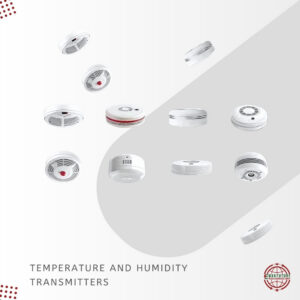
Integrated Fire Alarm Networks: Multi-Sensor Defense and Emergency Notification Modern fire alarm systems serve as the central safety hub for any facility. Far more than just a siren, these units consist of a strategic array of sensors and notification appliances that work in unison to monitor environmental conditions 24/7. Whether triggered by the chemical signature of smoke, a sudden rise in temperature, or the presence of odorless carbon monoxide, the system provides the critical seconds needed to save lives.
Key Features & Technical Advantages:
-
Multi-Hazard Detection: An integrated unit that monitors for three major threats: smoke, heat, and carbon monoxide (CO). This ensures comprehensive protection against both fast-burning fires and slow-smoldering hazards.
-
Dual-Mode Signaling: Combines synchronized audio sirens/voice evacuation with high-intensity visual strobes. This dual approach ensures that warnings are perceived by everyone, including those in high-noise areas or individuals with sensory impairments.
-
Intelligent Control Hub: The system “brain” identifies the exact device and location of the alarm, providing emergency responders with precise information to act quickly.
-
Redundant Power & Supervision: Features continuous circuit monitoring and dedicated battery backups, ensuring the system remains active even during total building power failure or tampering.
-
Modular Area Coverage: Designed to scale with your facility, allowing for the division of space into specific zones for targeted evacuation and localized monitoring.
-
Auxiliary System Integration: Capable of automatically triggering life-safety protocols, such as shutting down HVAC blowers to prevent smoke spread, releasing fire doors, and notifying local fire departments.
Typical Applications: These systems are the standard for industrial warehouses, commercial high-rises, healthcare facilities, and educational campuses. They are essential for compliance with international safety codes and provide the peace of mind that occupants are protected by the most reliable detection technology available.
Reviews
There are no reviews yet.