
Description
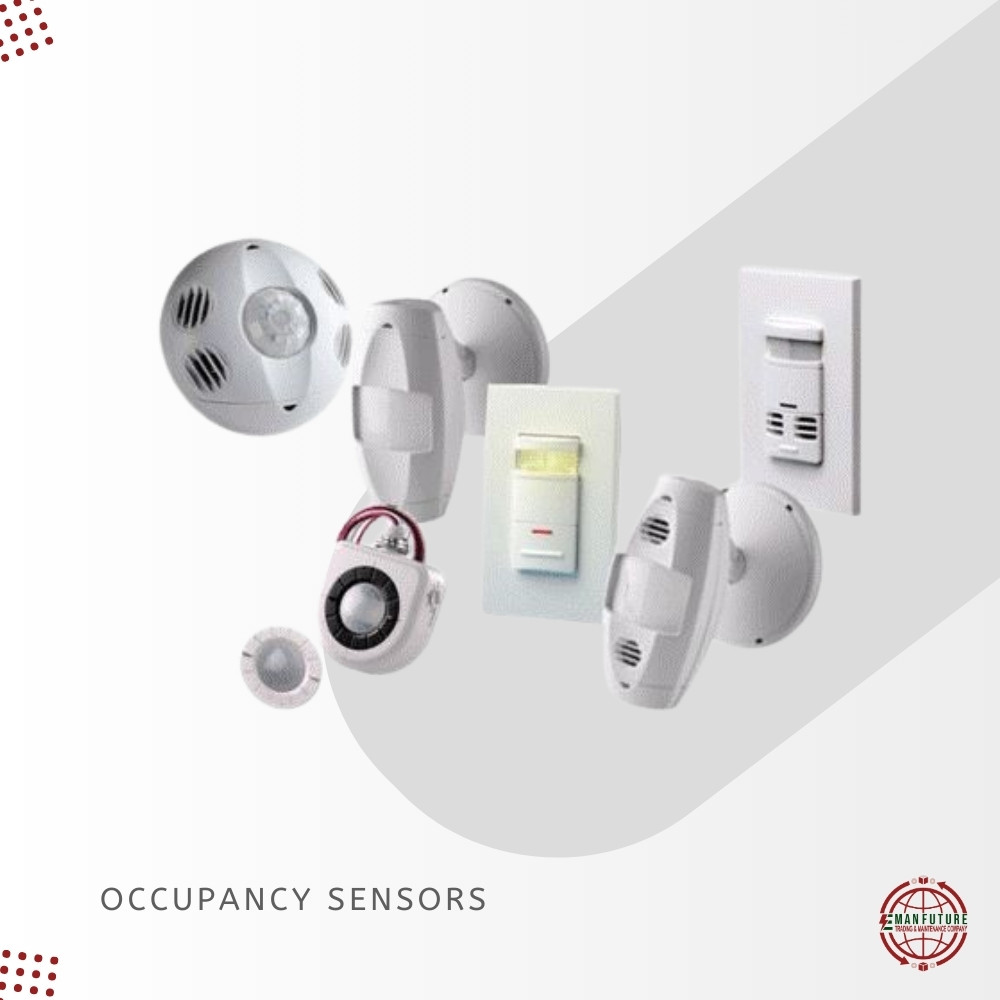
The Core of Building Automation: Precision Occupancy Sensing Occupancy sensors are a cornerstone of modern green building design and smart home technology. By acting as the “eyes” of your lighting system, they eliminate the human error of leaving lights on in empty rooms. These devices use advanced detection technology to bridge the gap between user comfort and rigorous energy conservation standards.
Key Features & Technical Advantages:
-
Dual Operation Modes: * Auto-ON/Auto-OFF: Provides maximum convenience by automating the entire lighting cycle—perfect for warehouses, hallways, and restrooms.
-
Manual-ON/Auto-OFF (Vacancy Mode): Requires a user to turn the light on manually but ensures it turns off automatically, offering the highest potential for energy savings.
-
-
Advanced Sensing Technologies: Utilizes Passive Infrared (PIR) for line-of-sight motion detection, Ultrasonic for “around-the-corner” sensing in partitioned spaces, or Dual-Technology for the highest reliability in complex environments.
-
Significant Energy Savings: Dramatically lowers utility costs by ensuring that lighting—one of the largest energy consumers in commercial buildings—is only active when necessary.
-
Adjustable Sensitivity & Time Delays: Features customizable settings that allow you to define how long the lights stay on after the last detected motion, preventing “false offs” during periods of low activity.
-
Integrated Light Level (Daylight) Sensing: Many models include a photocell that prevents the lights from turning ON if there is already sufficient natural sunlight in the room.
-
Security Enhancement: Acts as a deterrent to unauthorized entry by instantly illuminating dark areas, such as parking garages or alleyways, upon detecting movement.

Reviews
There are no reviews yet.