
Description
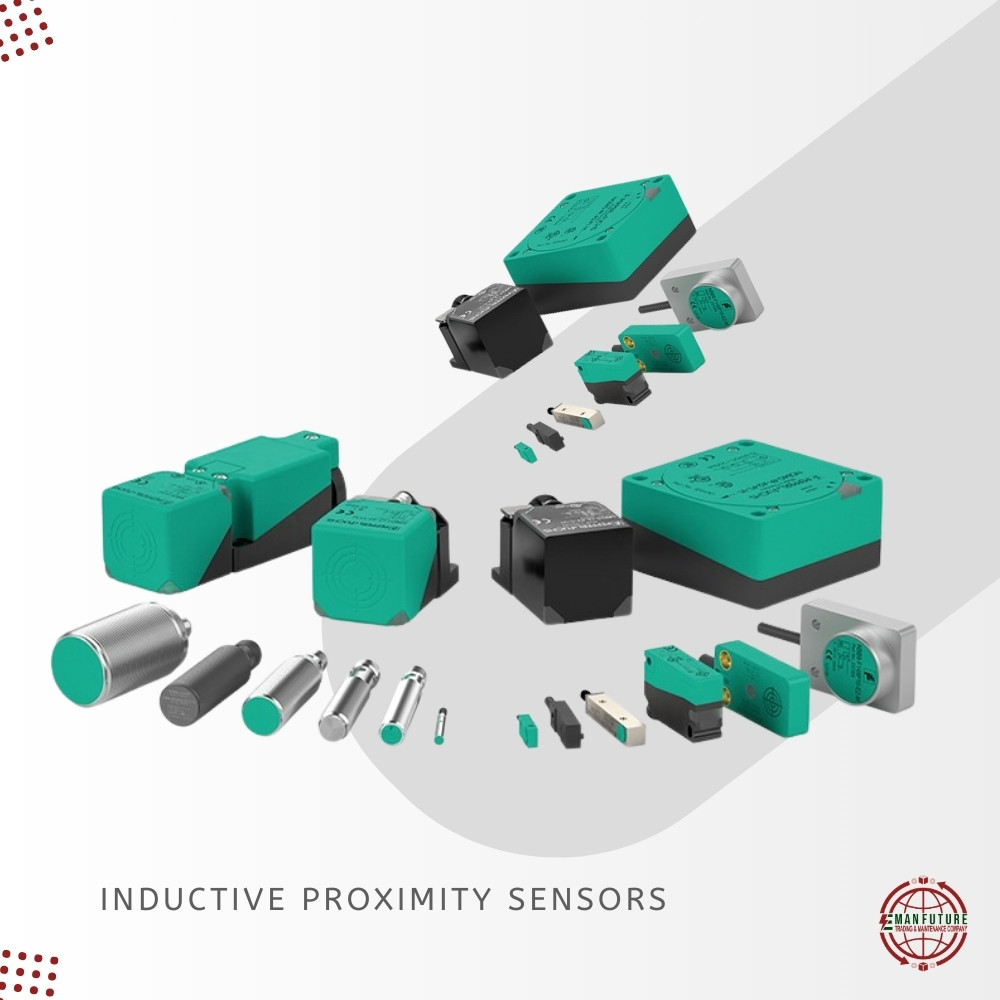
Inductive Proximity Sensors: The Standard for Precision Metallic Sensing Inductive proximity sensors are the workhorses of industrial automation. Utilizing an electromagnetic field to detect the presence of ferrous and non-ferrous metals without physical contact, these sensors eliminate mechanical wear and tear, significantly extending the operational lifespan of your equipment.
Key Features & Technical Advantages:
-
Non-Contact Detection: Senses metal targets without physical touch, preventing damage to sensitive components and eliminating the risk of mechanical failure.
-
Rugged Environmental Resistance: Engineered to perform reliably in “harsh usage environments,” resisting the interference of oil, water, dust, and vibrations.
-
High Switching Frequency: Capable of rapid-fire detection, making them perfect for high-speed pulse counting and rotational speed measurements on shafts or gears.
-
Precision Position Sensing: Commonly used as limit switches for “end position determination,” ensuring machinery moves within safe and exact parameters.
-
Cost-Effective Efficiency: A price-sensitive solution for both mobile applications (like heavy-duty vehicles) and fixed industrial automation lines.
-
Standard Industrial Formats: Available in a variety of sizes (M8, M12, M18, M30) and mounting styles (flush or non-flush) to fit any existing machine architecture.
Typical Applications: Inductive proximity sensors are indispensable for robotic arm positioning, conveyor belt monitoring, gear speed measurement, and end-of-travel detection in automated machinery. They provide the “eyes” for control systems in everything from mobile agriculture equipment to high-speed automotive assembly lines.
Reviews
There are no reviews yet.